Specials
Physical Education, Spanish, Art, Music
Meet our
Specialists
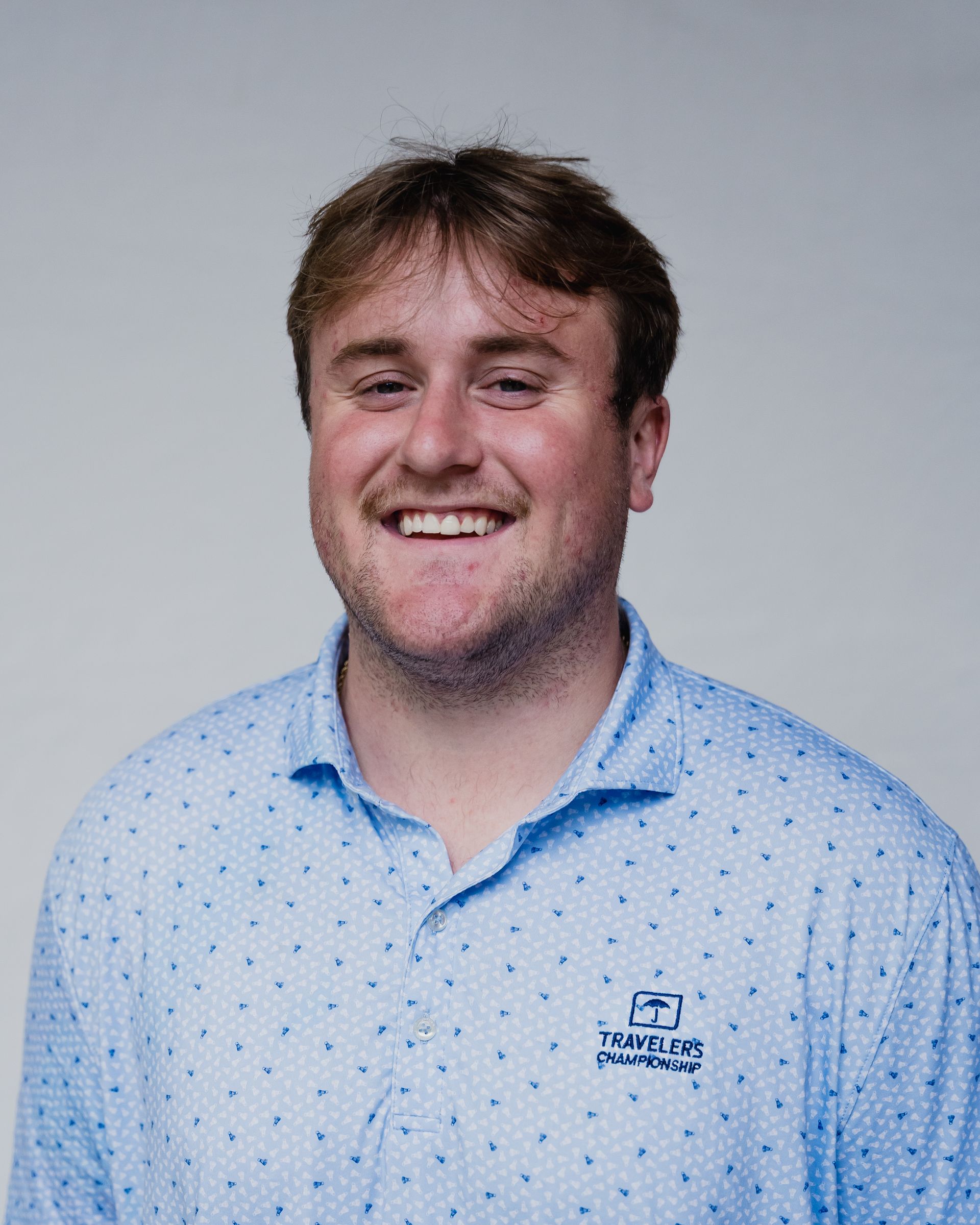
Justin Miller
Physical Education and Health
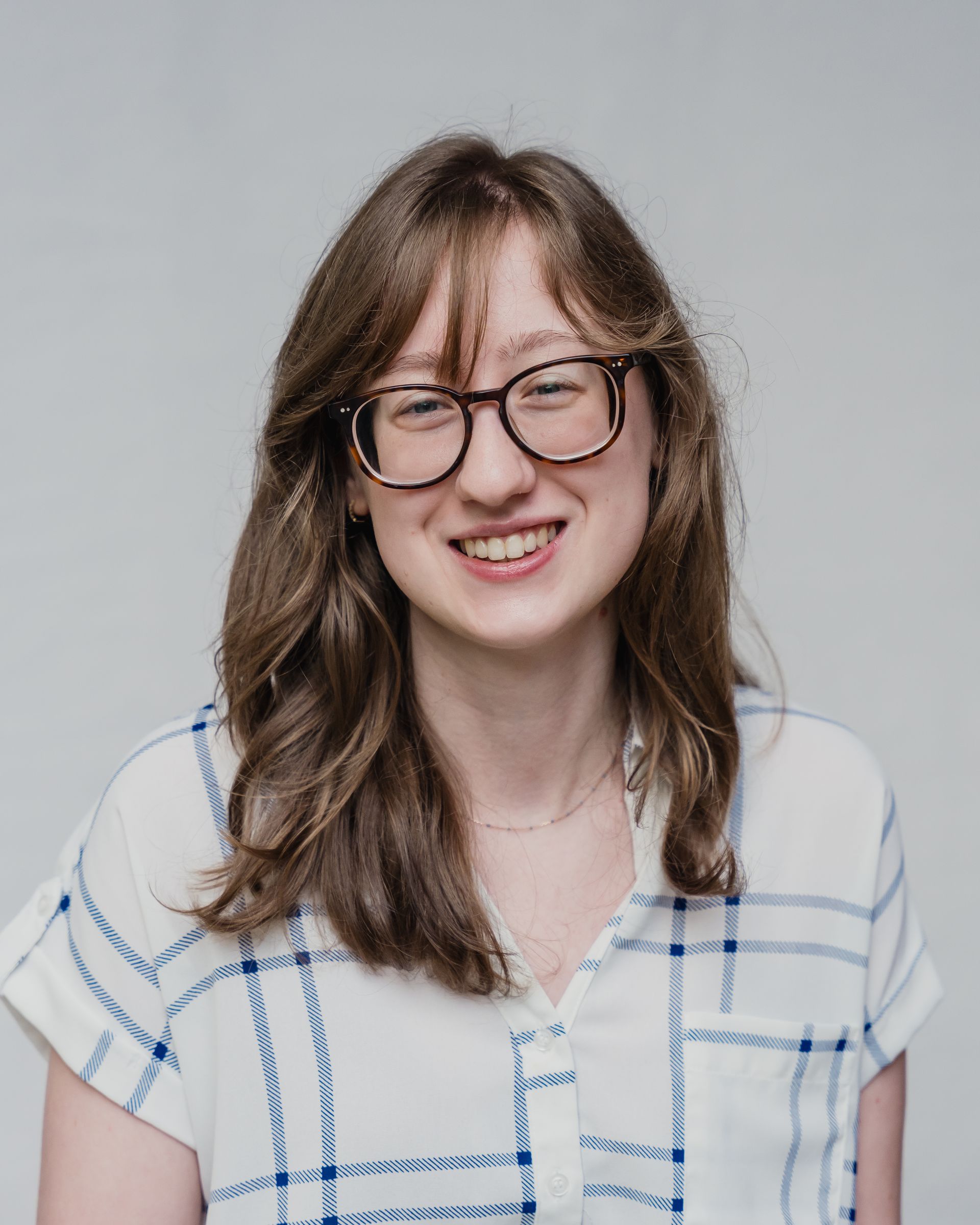
Julia Gerrish
Spanish
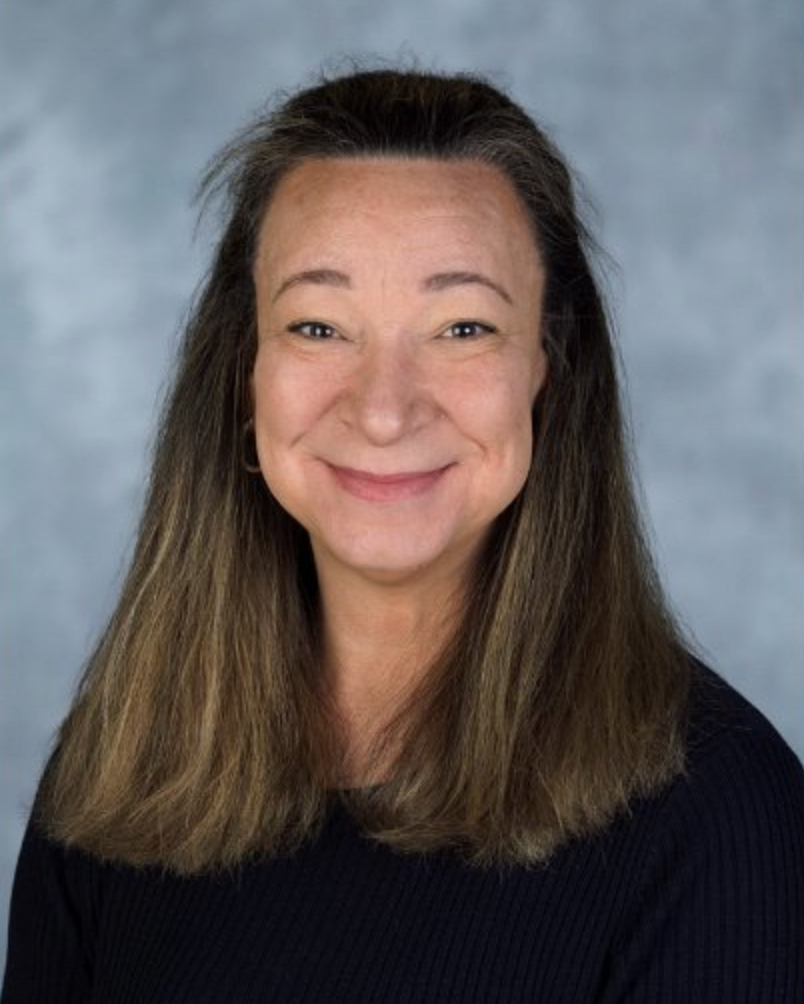
Kristin Elise
Art
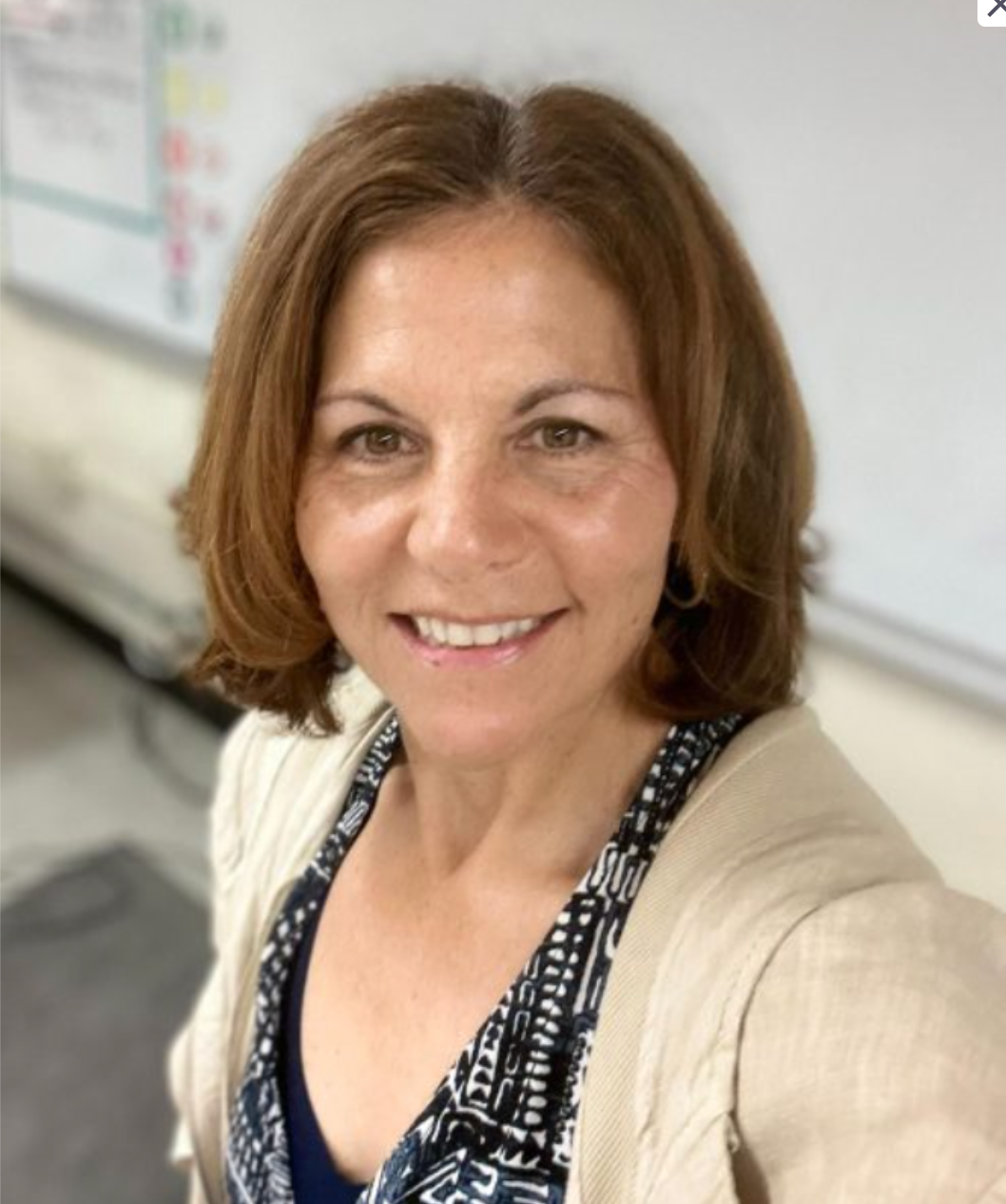
Leila Mustakos
Music Teacher
David Dion
Band and Orchestra Teacher
Physical Education
Preschool and Transitional Kindergarten (TK)
At the Preschool and TK levels, students focus on developing foundational motor skills and building body awareness through age-appropriate movement experiences. These early physical activities support the development of gross and fine motor skills while also contributing to critical physical, cognitive, social, and emotional growth. Because early childhood represents one of the fastest periods of development, these experiences provide an important foundation for lifelong movement, confidence, coordination, and healthy physical development.
Lower School (K–5)
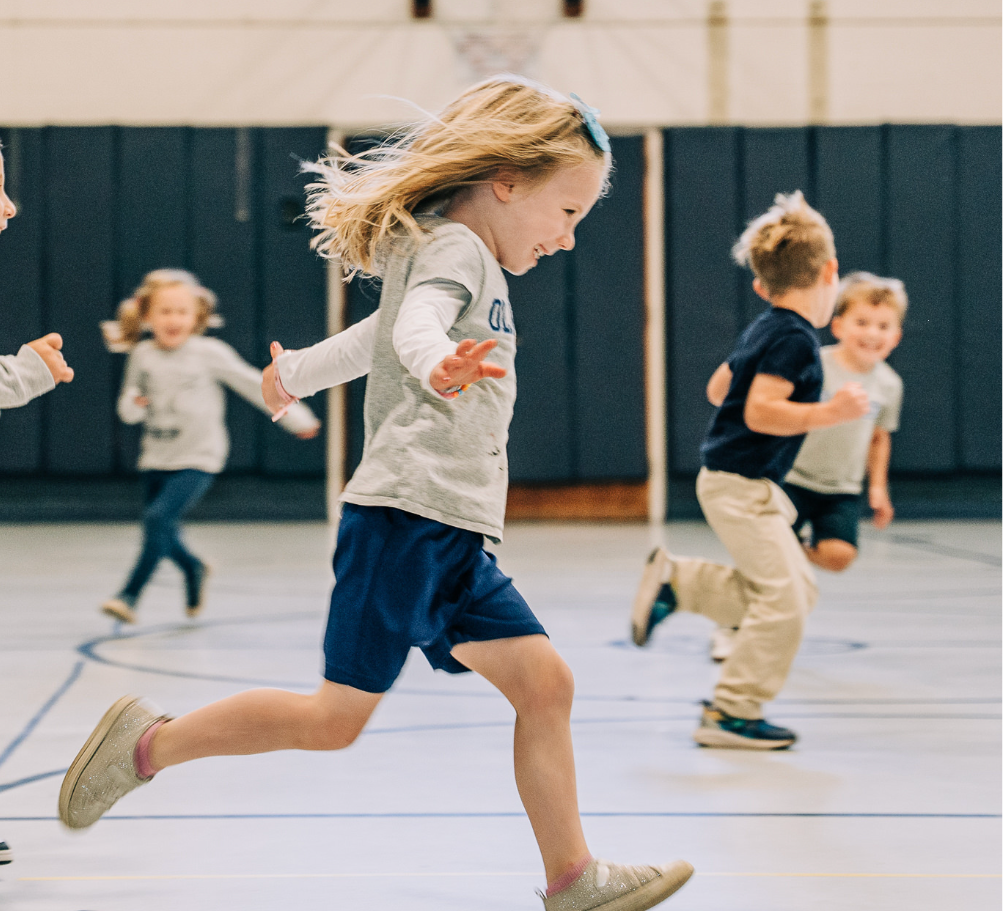
In Lower School, students build upon their foundational motor skills by developing and applying locomotor and manipulative skills in a variety of physical activities. Students learn to move with greater control, coordination, and spatial awareness while practicing skills such as running, jumping, balancing, throwing, catching, striking, and kicking. As they progress through the grades, students apply these skills in increasingly complex activities and begin to understand how individual skills can be combined and adapted to different games and movement environments.
Upper School (Grades 6–8)
In Upper School, students further develop and apply fundamental movement skills through gameplay and structured physical activities. Students focus on using appropriate skills, strategies, teamwork, communication, and decision-making in a variety of game settings. Through participation, students refine their physical abilities while developing a deeper understanding of game concepts, sportsmanship, collaboration, and the importance of lifelong physical activity.
Spanish: TK and Kindergarten
In TK and Kindergarten, students are introduced to Spanish language and Hispanic culture through music, stories, and interactive activities. These formative years lay the framework for a lifelong love of language learning, and build the foundation for their language acquisition journey.
Spanish: First - Third Grade
In first through third grade Spanish, students broaden their language skills through storytelling and writing exercises. From practicing language mechanics to learning how to express thoughts, feelings, and ideas, students develop proficiency in a nurturing, academically challenging environment. We study a variety of Spanish speaking countries, learning about their culture and exploring their traditions.
Spanish: Fourth - Fifth Grade
In fourth and fifth grade Spanish, students’ language proficiency grows as we explore longer texts and build language stamina. Students broaden their vocabularies, allowing them to communicate more intricate thoughts and ideas. Culture remains a forefront of our studies as we develop more complex grammar skills.
Spanish: Sixth - Eighth Grade
Our upper school Spanish program provides a strong foundation in language skills through the study of literature, music, and a diverse range of texts. Students master a range of vocabulary and grammar skills, developing a command of the Spanish language in speaking, reading, writing, and listening. Our classes emphasize the importance of studying Hispanic cultures and history, preparing our students to be global citizens.
Spanish
Transitional Kindergarten (TK)
In TK Spanish, students are introduced to Spanish language and Hispanic culture through music, stories, and interactive activities. These formative years lay the framework for a lifelong love of language learning, and build the foundation for their language acquisition journey.
Lower School (K-5)
In K-5 Spanish, students broaden their language skills through storytelling and writing exercises. From practicing language mechanics to learning how to express thoughts, feelings, and ideas, students develop proficiency in a nurturing, academically challenging environment. We study a variety of Spanish speaking countries, learning about their culture and exploring their traditions.
Upper School (6-8)
Our upper school Spanish program provides a strong foundation in language skills through the study of literature, music, and a diverse range of texts. Students master a range of vocabulary and grammar skills, developing a command of the Spanish language in speaking, reading, writing, and listening. Our classes emphasize the importance of studying Hispanic cultures and history, preparing our students to be global citizens.
Art
PreK - Kindergarten:
Identifying lines, shapes and colors (primary and secondary). Exploring and creating texture, collage, and printmaking. Expanding creative ways of thinking and sharing artwork with fellow students in class. Learning to use scissors, glue, paint brushes, pencils, colored pencils, and pastels.
1st - 3rd:
Drawing from imagination and through observation, weaving paper and using fibers, learning to identify relief, mosaics, and sculptures. Learning positive and negative space and how to create a focal point. Working with realistic and abstract forms and textures. Materials to be used include markers, yarn, crayons, pastels, was resist and watercolor. Expanding creative ways of thinking and sharing artwork with fellow students in class.
4th - 6th:
Creating intricate line designs, landscapes, and citiscapes. Learning about symmetry and asymetry, complimentary colors, and warm and cool colors. Identifying light sources and learning how to show depth of space through foreground, middleground and background. Expanding creative ways of thinking and sharing artwork with fellow students in class.
7th - 8th:
Some materials used to create art in the upper middle school include polymer clay textured relief moasics and bead, wax resist with watercolor, layering and collaging with tissue paper. Students will draw in linear perspective, build on identifying light sources and learn how to show depth of space through foreground, middlegoround and background. Students will also draw expressive portraits and study characterisitics of the modern art movements.
General Music
Grades 4th - 8th:
Students are encouraged to learn to play an instrument.
Each student enrolled in the band program will attend a thirty minute group lesson on his/her chosen instrument during the week (a pull-out from class). In addition, during the weeks approaching a concert, band students will attend 30-minute mixed ensemble rehearsals of band concert music, also during the school day. Students acquire their own books and instruments.
Instruction offered for the following:
Woodwinds (Flute, Clarinet, Alto Saxophone)
Brass (Trumpet, Trombone)
Percussion (Snare Drum, Piano)
Strings (Guitar, Ukulele, Violin)
Grades 3-8
Playing a musical instrument is not only incredibly fun, but also an enormous boost for both the cognitive and social development of our students. Students that study instrumental music become better problem solvers, more astute critical thinkers, and more effective members of a team.
Grades 3 through 8 are offered a 45-minute band or orchestra rehearsal during the school day on the following instruments:
Band – flute, clarinet, alto saxophone, trumpet, trombone, drums or percussion, and piano
Orchestra – violin, viola, cello, bass, and guitar.
Students will learn the basics of playing their chosen instrument as well as how to read sheet music for that instrument. We work extensively on tone production and playing music effectively with other musicians.
Generally, grades 3, 4, and 5 will perform together at concerts – likewise grade 6, 7, and 8 will perform together as a group. Participation in the performances is encouraged but not mandatory.
Private Lessons
Private lessons are available on all instruments after school and early evenings for a fee. Private lessons are helpful in skill development, in encouraging a student to progress at their own pace, and in playing music that speaks to their artistic tastes and goals. Lessons are NOT mandatory, however.
Grades K-2
Students in Grades K, 1, and 2 can also jump into instrumental music with the private lessons after school and the evenings (for a fee). While most band instruments are difficult for small hands, piano, guitar, violin, viola, and cello are all manufactured in smaller sizes that are accessible to the younger students.